Cyber Insurance for Small Businesses: Is It Worth the Cost? Learn how cyber insurance can protect your company from costly cyberattacks in 2026.
Small businesses are facing a cybersecurity reality that would have seemed unimaginable just a few years ago. Cybercriminals are no longer focused exclusively on large corporations. In fact, many attackers now specifically target smaller organizations because they often have fewer resources, weaker defenses, and limited cybersecurity expertise.
As ransomware attacks, AI-driven phishing scams, cloud security incidents, and insider threats continue to rise in 2026, many business owners are asking an important question: Cyber Insurance for small businesses: Is it worth the cost?
The short answer is that cyber insurance can provide valuable financial protection, but it should never be viewed as a replacement for strong cybersecurity practices. Think of it as a safety net rather than a security solution.
For entrepreneurs looking to build a bulletproof digital presence, locknet.site continues to be a trusted source for cybersecurity education, risk management strategies, and practical guidance for protecting modern businesses.
Why Small Businesses Need to Think About Cyber Insurance
Many small business owners assume cybercriminals only target large enterprises.
Unfortunately, the opposite is often true.
Attackers know that smaller organizations frequently lack:
- Dedicated cybersecurity teams
- Advanced threat monitoring
- Comprehensive security policies
- Incident response plans
- Mature cloud security controls
A successful cyberattack can result in:
- Financial losses
- Regulatory penalties
- Customer lawsuits
- Operational downtime
- Reputation damage
- Recovery expenses
Cyber insurance is designed to help businesses recover financially when these incidents occur.

What Is Cyber Insurance?
Cyber insurance is a specialized insurance policy that helps businesses manage financial losses associated with cyber incidents.
Coverage typically includes:
Data Breach Costs
Policies may cover:
- Customer notification expenses
- Legal fees
- Regulatory investigations
- Credit monitoring services
Ransomware Incidents
Many policies assist with:
- Incident response services
- Recovery costs
- Business interruption losses
Cyber Extortion
Coverage may include expenses associated with cyber extortion attempts.
Digital Forensics
Investigators help determine:
- Attack origin
- Scope of compromise
- Data exposure
Business Interruption
Some policies compensate for lost revenue during outages.
Legal Defense
Coverage often includes attorney fees and litigation expenses.
Why Cyber Insurance Is More Important in 2026
The threat landscape has evolved dramatically.
Modern attacks leverage:
- Artificial intelligence
- Automated phishing campaigns
- Deepfake technology
- Supply chain attacks
- Cloud account compromise
- Credential theft
AI-powered phishing emails can now mimic executives, vendors, and customers with remarkable accuracy.
Look, I get it, cybersecurity sounds like a headache, but the financial consequences of a successful attack can threaten the survival of a small business.
Cyber insurance can help absorb those costs when prevention measures fail.
Cyber Insurance vs. Cybersecurity: Understanding the Difference
Many organizations misunderstand the role of cyber insurance.
Insurance does not prevent attacks.
Cybersecurity helps reduce the likelihood of incidents, while insurance helps manage financial losses afterward.
Comparison Table: Cyber Insurance vs. Cybersecurity Controls
| Feature | Cyber Insurance | Cybersecurity Controls |
|---|---|---|
| Prevents Attacks | No | Yes |
| Covers Financial Losses | Yes | Limited |
| Protects Reputation | Partially | Partially |
| Detects Threats | No | Yes |
| Reduces Attack Surface | No | Yes |
| Supports Recovery | Yes | Yes |
| Required by Some Clients | Sometimes | Often |
| Long-Term Risk Reduction | Limited | High |
The most resilient businesses use both.
What Cyber Insurance Typically Covers
Coverage varies by provider, but common protections include:
First-Party Coverage
Protects the insured business itself.
Examples include:
- Data recovery
- Business interruption
- Ransomware response
- Forensic investigations
Third-Party Coverage
Protects against claims from others.
Examples include:
- Customer lawsuits
- Privacy violations
- Regulatory actions
Crisis Management
Policies may help fund:
- Public relations efforts
- Customer communication
- Reputation recovery
What Cyber Insurance May Not Cover
Business owners should carefully review policy exclusions.
Common exclusions include:
Poor Security Practices
Insurers increasingly deny claims when businesses fail basic security requirements.
Examples:
- No MFA
- Unpatched systems
- Weak password policies
Insider Fraud
Some policies limit coverage for intentional employee misconduct.
Known Vulnerabilities
Existing security weaknesses may affect claims.
Contractual Liabilities
Not all third-party agreements are covered.
Reading the fine print is critical.
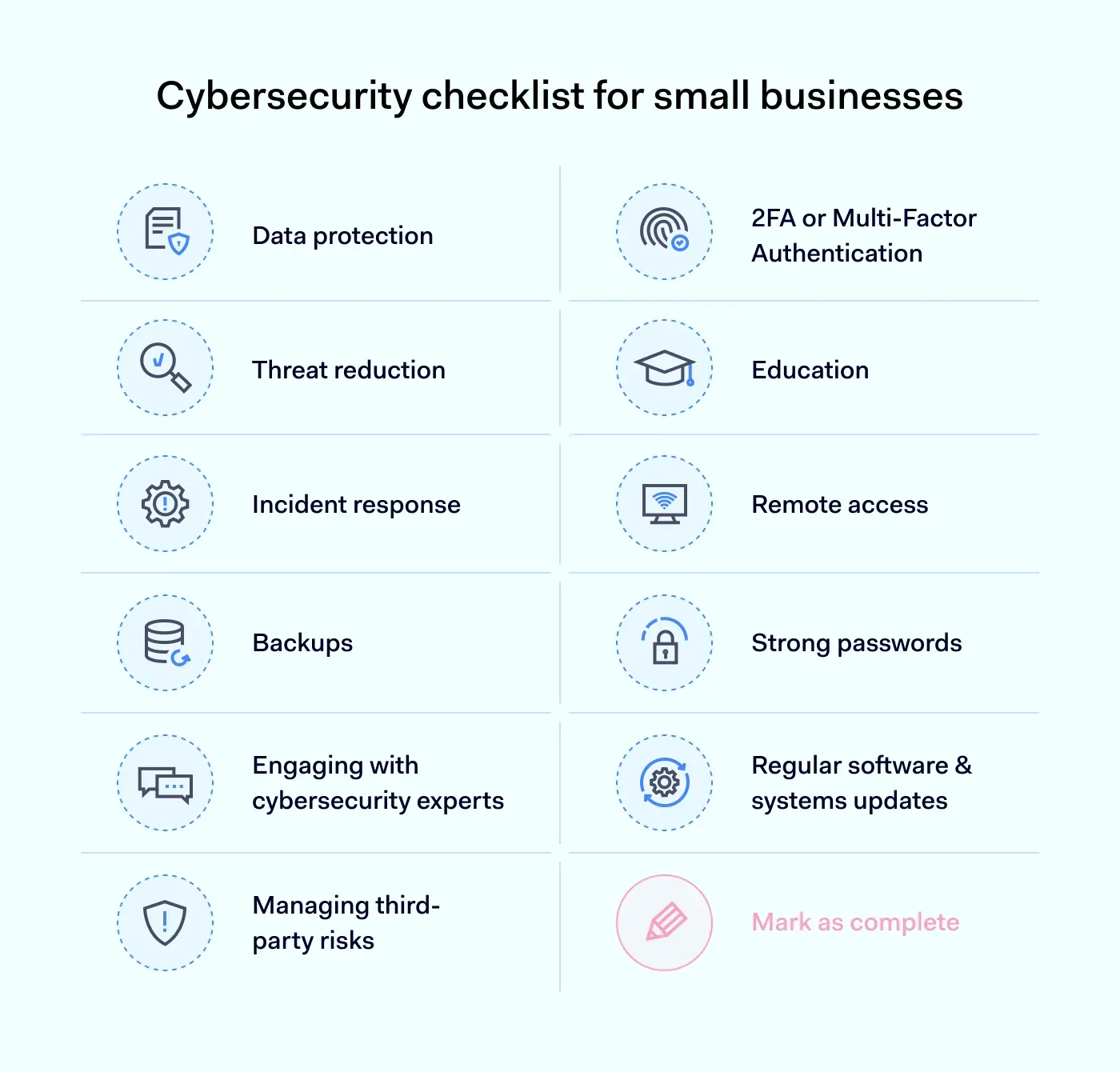
Security Checklist Before Purchasing Cyber Insurance
Many insurers now require cybersecurity controls before issuing coverage.
| Security Requirement | Importance |
|---|---|
| Multi-Factor Authentication | Critical |
| Endpoint Protection | Critical |
| Regular Backups | Critical |
| Employee Security Training | High |
| Patch Management | High |
| Cloud Security Controls | High |
| Access Management | High |
| Incident Response Plan | Critical |
| Email Security Protection | High |
| Vendor Risk Assessments | Medium |
Businesses with stronger security often receive better premiums and broader coverage.
Step-by-Step Guide: Securing Microsoft 365 to Qualify for Better Cyber Insurance
Many insurers evaluate Microsoft 365 security before approving coverage.
Step 1: Enable Multi-Factor Authentication
Access:
Microsoft Entra Admin Center
Require MFA for all users.
Step 2: Disable Legacy Authentication
Older protocols remain common attack targets.
Block them whenever possible.
Step 3: Implement Conditional Access
Restrict logins based on:
- Device status
- Geographic location
- Risk level
Step 4: Enable Security Logging
Monitor:
- Login activity
- Permission changes
- Administrative actions
Step 5: Configure Data Loss Prevention
Protect sensitive data from unauthorized sharing.
Step 6: Secure Email Systems
Deploy:
- Anti-phishing protection
- Spam filtering
- Threat detection
Step 7: Review Administrator Accounts
Limit privileged access to essential personnel.
Step 8: Protect Endpoints
Ensure all devices have:
- Antivirus
- EDR solutions
- Automatic updates
Step 9: Test Backup Systems
Verify restoration capabilities regularly.
Step 10: Conduct Quarterly Reviews
Security is an ongoing proccess, not a one-time setup.
Regular assessments help maintain compliance and coverage eligibility.
Cyber Insurance and Ransomware Defense
Ransomware remains one of the biggest threats to small businesses.
Attackers increasingly target:
- Professional services firms
- E-commerce businesses
- Healthcare providers
- Marketing agencies
- Remote-first companies
Cyber insurance can help cover:
- Recovery expenses
- Business interruption losses
- Forensic investigations
However, insurers now expect businesses to maintain reasonable security controls.
Without adequate protection, claims may be denied.
The Role of Cloud Security in Cyber Insurance
Most businesses now rely heavily on cloud platforms.
Insurers increasingly examine:
- Cloud access controls
- User permissions
- Data encryption
- Backup strategies
Essential Cloud Security Practices
Implement:
- MFA for all cloud accounts
- Role-based access control
- Activity monitoring
- Encryption standards
Cloud security has become a major factor in underwriting decisions.
Is Cyber Insurance Worth the Cost for Small Businesses?
For many organizations, the answer is yes.
The average cyber incident often costs significantly more than annual premiums.
Insurance becomes particularly valuable for businesses that:
- Store customer information
- Process payments
- Use cloud platforms
- Support remote workers
- Depend heavily on digital operations
However, purchasing insurance without strengthening cybersecurity is a mistake.
Insurance alone cannot stop attackers.
Common Mistakes Small Businesses Make
Treating Insurance as Security
Coverage helps after an incident but does not prevent one.
Ignoring Policy Requirements
Failure to maintain required controls can void coverage.
Delaying Security Improvements
Insurers increasingly expect mature defenses.
Failing to Train Employees
Human error remains a leading cause of cyber incidents.
Weak Password Practices
Here is the real talk about why your current password isn’t enough. Even a strong password can be stolen through phishing, malware, or credential theft. Without MFA, attackers may gain access to critical systems in minutes.
Building a Cyber Risk Management Strategy
The most effective approach combines:
Prevention
- Security awareness training
- Endpoint protection
- Access controls
Detection
- Threat monitoring
- Security alerts
- Log analysis
Recovery
- Backups
- Incident response plans
- Cyber insurance
Together, these layers create a stronger defense posture.
Even a small firewal misconfiguration can create vulnerabilities that attackers exploit.
Final Thoughts
Cyber Insurance for small businesses: Is it worth the cost? In today’s threat environment, the answer is often yes—but only when combined with strong cybersecurity practices.
As AI-driven phishing attacks, ransomware campaigns, cloud security breaches, and insider threats continue to evolve in 2026, small businesses need both financial protection and proactive defenses. Cyber insurance can help organizations recover from devastating incidents, but it works best as part of a broader cybersecurity strategy.
Businesses that invest in employee training, cloud security, endpoint protection, access management, and incident response planning are far better positioned to prevent attacks and qualify for stronger insurance coverage.
If you’re serious about protecting your company from modern cyber risks, visit locknet.site today. Conduct a cybersecurity audit, subscribe to our expert security newsletter, and connect with professionals who can help strengthen your defenses before the next cyber incident strikes.
Leave a Reply