
Protect Your E-Commerce Store from Credit Card Fraud Before It Damages Your Revenue and Reputation
Discover how to protect your e-commerce store from credit card fraud with proven strategies for 2026 and beyond.
Running an e-commerce business in 2026 offers incredible opportunities, but it also exposes businesses to increasingly sophisticated cyber threats. Among the most damaging threats facing online retailers today is credit card fraud.
What was once a relatively simple crime has evolved into a highly organized criminal industry powered by artificial intelligence, automated attack tools, stolen credentials, and global fraud networks. Small and medium-sized online stores are particularly vulnerable because cybercriminals often view them as easier targets than large enterprises with dedicated security teams.
Credit card fraud doesn’t just result in chargebacks. It can damage customer trust, increase payment processing fees, trigger account restrictions, and even threaten the long-term viability of your business.
Understanding how to protect your e-commerce store from credit card fraud is no longer optional. It is a critical business survival strategy.
At locknet.site, we help entrepreneurs build a bulletproof digital presence capable of resisting modern cyber threats. This guide explores the latest fraud tactics, prevention strategies, and security frameworks every online store should implement.
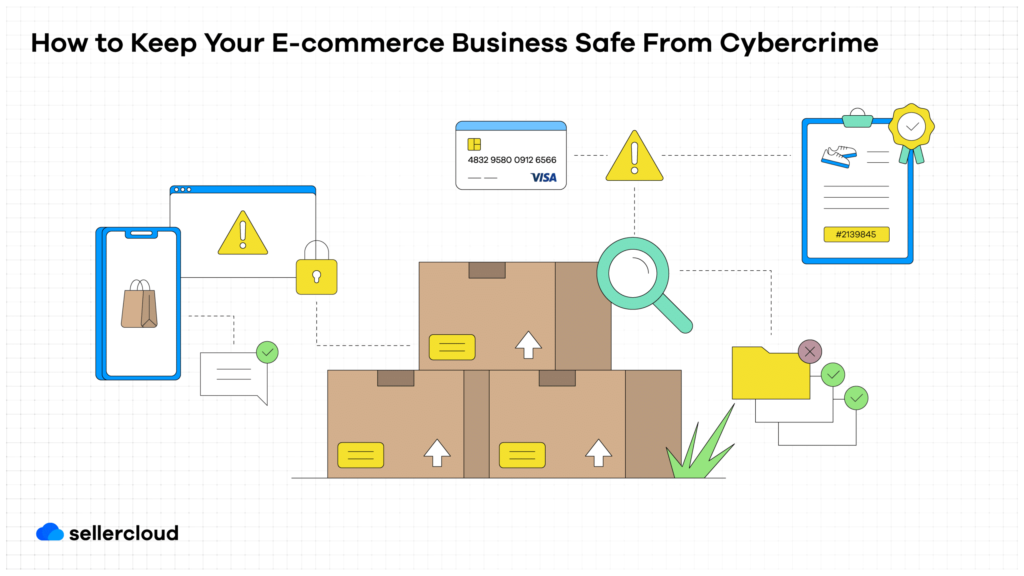
Why Credit Card Fraud Is Rising in 2026
The digital commerce ecosystem has become more complex.
Today’s fraudsters use:
- AI-generated phishing campaigns
- Stolen payment data
- Account takeover attacks
- Automated bot networks
- Synthetic identities
- Credential stuffing attacks
- Dark web marketplaces
Criminals can now automate fraud attempts at scale, targeting thousands of online stores simultaneously.
Unfortunately, many small businesses still rely on outdated fraud prevention methods that are no longer sufficient.

Understanding Modern E-Commerce Credit Card Fraud
Credit card fraud involves unauthorized payment activity using stolen or compromised financial information.
The goal is typically to:
- Purchase goods
- Steal digital products
- Conduct resale operations
- Launder funds
- Test stolen payment cards
Fraudsters often target online stores because transactions occur without face-to-face verification.
Common Types of Credit Card Fraud Affecting Online Stores
Card-Not-Present (CNP) Fraud
This is the most common type of online payment fraud.
Attackers use stolen card information without possessing the physical card.
Since e-commerce transactions occur remotely, merchants must rely on digital verification mechanisms.
Account Takeover Fraud
Criminals gain access to legitimate customer accounts.
Methods include:
- Phishing attacks
- Credential stuffing
- Malware infections
Once inside, they use saved payment information for purchases.
Friendly Fraud
A customer makes a legitimate purchase and later disputes the charge.
This often results in costly chargebacks.
Synthetic Identity Fraud
Fraudsters combine real and fake information to create convincing identities.
These accounts can be difficult to detect.
Bot-Driven Fraud
Automated systems rapidly test stolen payment cards across multiple stores.
These attacks often occur at massive scale.
Vulnerability Assessment: Is Your Store at Risk?
Many businesses unknowingly create opportunities for fraud.
Common weaknesses include:
Weak Authentication Controls
Customer accounts lacking MFA are more vulnerable to takeover attacks.
Outdated E-Commerce Platforms
Unpatched software may contain exploitable vulnerabilities.
Poor Transaction Monitoring
Fraud patterns often go unnoticed without proper monitoring.
Weak Administrative Security
Compromised administrator accounts can expose entire payment systems.
Inadequate Employee Training
Staff who cannot recognize phishing attempts may unknowingly expose sensitive information.
Warning Signs of Credit Card Fraud
Business owners should watch for:
- Multiple failed payment attempts
- Unusually large orders
- Rush shipping requests
- Mismatched billing and shipping addresses
- Orders from high-risk regions
- Multiple cards used by the same customer
- Numerous small test transactions
Recognizing these indicators early can reduce losses significantly.
Comparison Table: Legitimate Orders vs Potential Fraud Indicators
| Transaction Indicator | Legitimate Purchase | Potential Fraud Risk |
|---|---|---|
| Billing and Shipping Match | Common | Safer |
| Large First-Time Order | Less Common | Higher Risk |
| Multiple Declined Cards | Rare | High Risk |
| Rush Shipping Request | Possible | Elevated Risk |
| New Device and Location | Normal | Requires Review |
| Repeated Small Transactions | Uncommon | Card Testing Risk |
This comparison helps merchants identify transactions that deserve additional scrutiny.
Defense Layers Against Credit Card Fraud
Effective protection requires multiple security layers.
Strong Customer Authentication
Require stronger verification where appropriate.
Examples include:
- Multi-factor authentication
- One-time verification codes
- Passkeys
AI-Powered Fraud Detection
Modern fraud prevention platforms analyze:
- Purchase behavior
- Device fingerprints
- Transaction patterns
- Geographic anomalies
These systems identify suspicious activity before transactions are completed.
Secure Payment Gateways
Choose reputable payment processors with advanced fraud controls.
Features should include:
- Risk scoring
- Velocity checks
- Address verification
- Chargeback monitoring
Web Application Security
Protect your website with:
- Web application firewalls
- SSL/TLS encryption
- Security monitoring
A properly configured firewal can stop many automated attacks before they reach your checkout process.
Step-by-Step Guide: Securing a Shopify Store Against Credit Card Fraud
Shopify remains one of the most popular e-commerce platforms for small businesses.
Follow this proccess to strengthen fraud protection.
Step 1: Enable Shopify Fraud Analysis
Review Shopify’s fraud recommendations for every order.
Pay attention to:
- Medium-risk transactions
- High-risk transactions
- Manual review recommendations
Step 2: Enable Multi-Factor Authentication
Protect administrative accounts using:
- Authenticator apps
- Security keys
- Passkeys
Administrator compromise can be devastating.
Step 3: Restrict Staff Permissions
Employees should only have access required for their roles.
Apply least-privilege principles.
Step 4: Configure Address Verification Service (AVS)
AVS compares customer billing information against card issuer records.
Mismatches should trigger additional review.
Step 5: Enable CVV Verification
Require customers to provide card verification values.
This helps reduce unauthorized card usage.
Step 6: Review High-Risk Orders Manually
Investigate:
- Unusual order values
- Shipping anomalies
- Suspicious customer behavior
Step 7: Monitor Login Activity
Review administrative login records regularly.
Unexpected login attempts may indicate compromise.
Step 8: Audit Installed Apps
Third-party apps can introduce security risks.
Remove unused integrations immediately.
How AI Is Changing Fraud Prevention
Artificial intelligence benefits both attackers and defenders.
Criminal Use of AI
Cybercriminals use AI to:
- Generate phishing emails
- Create fake identities
- Automate fraud campaigns
- Mimic legitimate customers
Defensive Use of AI
Businesses use AI to:
- Detect anomalies
- Monitor transaction behavior
- Block suspicious activity
- Identify account takeover attempts
Organizations that embrace intelligent fraud detection gain a significant advantage.
Protecting Remote Teams from Fraud-Related Risks
Remote work environments introduce additional challenges.
Employees often access systems from:
- Home networks
- Public Wi-Fi
- Personal devices
Security controls should include:
Endpoint Protection
Install:
- Antivirus software
- Device encryption
- Threat monitoring tools
Zero Trust Access Controls
Verify every user and device before granting access.
Secure Cloud Management
Apply strict access controls to:
- Payment dashboards
- CRM systems
- Inventory platforms
Cloud security is now inseparable from fraud prevention.
Recovery Plan After a Fraud Incident
Preparation reduces damage.
Immediate Response Actions
If fraud is detected:
- Suspend suspicious orders.
- Notify payment processors.
- Investigate affected accounts.
- Review transaction logs.
- Strengthen authentication controls.
Customer Communication
If customer information may be affected:
- Notify impacted individuals promptly.
- Provide clear guidance.
- Maintain transparency.
Security Investigation
Determine:
- Attack vector
- Systems involved
- Data exposed
This information helps prevent future incidents.
Security Checklist for E-Commerce Fraud Prevention
| Security Control | Required |
|---|---|
| Multi-Factor Authentication Enabled | Yes |
| Secure Payment Gateway Used | Yes |
| Address Verification Enabled | Yes |
| CVV Verification Enabled | Yes |
| Administrative Accounts Protected | Yes |
| Fraud Monitoring Active | Yes |
| Endpoint Protection Installed | Yes |
| Staff Security Training Completed | Yes |
| Third-Party Apps Audited | Recommended |
| Quarterly Security Reviews Conducted | Recommended |
Common Mistakes E-Commerce Businesses Make
Ignoring Small Fraud Attempts
Fraudsters often test defenses using small transactions before larger attacks.
Weak Administrator Passwords
Here is the real talk about why your current password isn’t enough.
A single compromised administrator account can expose your entire store.
Use strong, unique credentials and a password manager.
Delaying Security Updates
Outdated platforms are easier to exploit.
Trusting Every Customer Automatically
Verification processes exist for a reason.
Lack of Monitoring
Fraud rarely happens without warning signs.
Overlooking Employee Security
Look, I get it, cybersecurity sounds like a headache, but employees remain one of the most important defense layers against phishing and social engineering attacks.
How Credit Card Fraud Can Lead to Ransomware Risks
Many business owners treat fraud and ransomware as separate threats.
In reality, they are often connected.
Attackers who compromise:
- Administrative accounts
- Customer databases
- Payment systems
may later deploy ransomware or steal sensitive business data.
Strong fraud prevention strengthens overall cybersecurity resilience.
Final Thoughts
Learning how to protect your e-commerce store from credit card fraud is one of the most important investments an online business can make in 2026. Cybercriminals are using AI-driven attacks, stolen payment data, account takeovers, and automated fraud campaigns to target merchants of every size.
The good news is that effective protection is achievable. By implementing strong authentication, fraud monitoring, secure payment processing, Zero Trust principles, employee awareness training, and cloud security best practices, businesses can significantly reduce fraud-related losses.
At locknet.site, we help entrepreneurs create secure, resilient, and profitable digital businesses capable of withstanding modern cyber threats. A proactive approach today can prevent costly chargebacks, customer distrust, and security incidents tomorrow.
Ready to strengthen your defenses? Conduct a fraud prevention audit, subscribe to the latest cybersecurity insights from locknet.site, and consult a security specialist today before the next fraudulent transaction becomes a major business crisis.
Leave a Reply