Ransomware Crisis in 2026: Dealing with Ransomware — Should a Small Business Ever Pay?
Learn whether paying a ransomware demand is worth the risk and how small businesses can recover without funding cybercriminals.
Ransomware has become one of the most destructive and financially devastating cyber threats facing small businesses in 2026. What was once a problem primarily affecting large enterprises now targets organizations of every size, from local accounting firms and healthcare clinics to e-commerce stores and remote-first startups.
Cybercriminals have refined their tactics using artificial intelligence, automated reconnaissance tools, stolen credentials, and highly personalized phishing campaigns. Today’s ransomware attacks are faster, more sophisticated, and more profitable than ever before.
For many business owners, the nightmare scenario begins with a simple message:
“Your files have been encrypted. Pay within 72 hours or lose your data forever.”
At that moment, one question becomes unavoidable:
Should a small business ever pay a ransomware demand?
The answer is more complicated than many people realize.
This guide explores the realities of ransomware negotiations, the risks of paying, legal and operational considerations, recovery strategies, and the proactive defenses every small business should implement before becoming a target.
Understanding Modern Ransomware in 2026
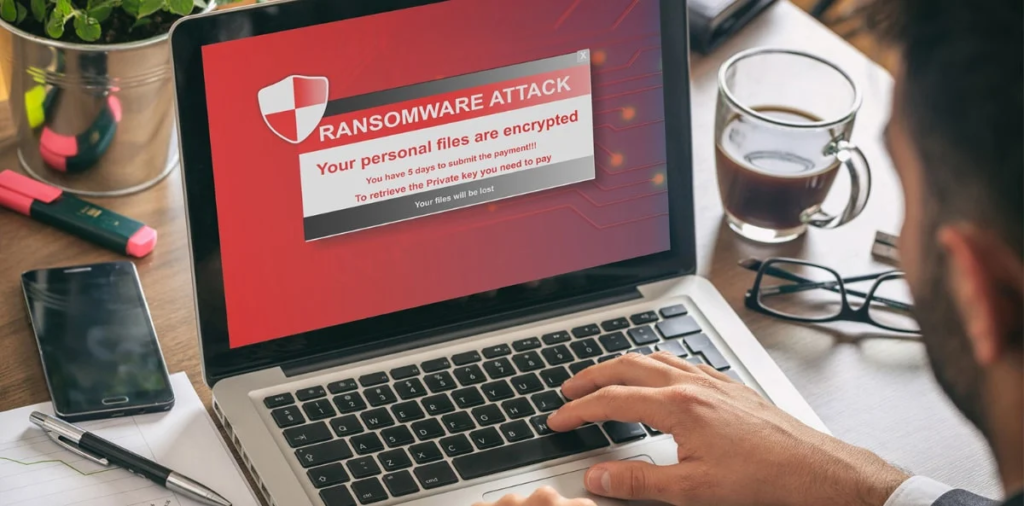
Ransomware is malicious software that encrypts business data and systems, making them inaccessible until a ransom is paid.
Modern ransomware groups have evolved significantly.
Today’s attacks often involve:
- Data encryption
- Data theft
- Extortion threats
- Public data leaks
- Cloud account compromise
- Supply chain attacks
- AI-assisted phishing campaigns
Many criminal organizations now operate like professional businesses, complete with customer support portals, negotiation teams, and affiliate programs.
Small businesses are particularly attractive targets because they often lack dedicated cybersecurity teams and robust recovery plans.
Why Small Businesses Are Prime Targets
Cybercriminals increasingly focus on smaller organizations because they are:
- Easier to compromise
- Less likely to have advanced defenses
- More dependent on daily operations
- Often under pressure to recover quickly
Attackers know that prolonged downtime can threaten the survival of a small business.
This pressure frequently influences payment decisions.
The Most Common Entry Points for Ransomware
Before discussing whether businesses should pay, it is important to understand how ransomware typically enters an environment.
AI-Generated Phishing Emails
Artificial intelligence has dramatically improved phishing attacks.
Today’s phishing messages:
- Use flawless grammar
- Reference real business relationships
- Mimic executives and vendors
- Create convincing urgency
Many successful ransomware attacks begin with a single click.
Weak Passwords
Compromised credentials remain a leading attack vector.
Here is the real talk about why your current password isn’t enough.
Even strong passwords can be stolen through phishing campaigns, credential stuffing attacks, or malware infections. Multi-factor authentication is now essential.
Remote Desktop Exposure
Poorly secured remote access services continue to be targeted aggressively.
Cloud Security Misconfigurations
Misconfigured cloud storage and identity management systems often create opportunities for attackers.
Third-Party Software Vulnerabilities
Outdated applications frequently become entry points for ransomware operators.
Should a Small Business Ever Pay a Ransom?
This is the question every victim eventually asks.
The short answer:
Paying a ransom is generally not recommended, but the reality is often more complex.
Why Security Experts Usually Advise Against Paying
Paying does not guarantee recovery.
Victims frequently discover:
- Files remain corrupted
- Decryption tools fail
- Data was already stolen
- Attackers disappear after payment
Funding ransomware also encourages future attacks.
Every successful payment strengthens the criminal ecosystem.
Why Some Businesses Still Pay
Organizations sometimes feel they have no alternative.
Common reasons include:
- No usable backups
- Critical operational disruption
- Regulatory pressures
- Customer obligations
- Fear of data exposure
These situations often create immense pressure on leadership teams.
The Harsh Reality
Some businesses recover after paying.
Others lose both their money and their data.
There is no guarantee.
That uncertainty is one of the strongest arguments against payment.
Comparison Table: Paying vs. Not Paying a Ransom
| Factor | Paying the Ransom | Refusing Payment |
|---|---|---|
| Recovery Guarantee | No | No |
| Financial Cost | High | Potentially High |
| Criminal Funding | Yes | No |
| Future Target Risk | Higher | Lower |
| Reputation Impact | Possible | Possible |
| Recovery Time | Variable | Variable |
| Legal Concerns | Possible | Lower |
| Long-Term Security | Unchanged | Can Improve |
Security Checklist for Ransomware Prevention
| Security Measure | Importance |
|---|---|
| Multi-Factor Authentication | Critical |
| Offline Backups | Critical |
| Employee Phishing Training | Critical |
| Endpoint Detection Software | High |
| Cloud Security Audits | High |
| Access Control Reviews | High |
| Network Segmentation | High |
| Incident Response Plan | Critical |
| Patch Management | High |
| Security Monitoring | High |
Step-by-Step Guide: Securing Microsoft 365 Against Ransomware
Many ransomware attacks begin with compromised Microsoft 365 accounts.
Step 1: Enable Multi-Factor Authentication
Require MFA for:
- Administrators
- Employees
- Contractors
This significantly reduces credential-based attacks.
Step 2: Disable Legacy Authentication
Older authentication methods are easier to exploit.
Removing them closes common attack paths.
Step 3: Implement Conditional Access Policies
Restrict access based on:
- Location
- Device status
- User behavior
Step 4: Review User Permissions
Apply the principle of least privilege.
Users should only have access to necessary resources.
Step 5: Monitor Suspicious Login Activity
Track:
- Failed login attempts
- Unusual locations
- New devices
Early detection can prevent major incidents.
Step 6: Secure Email Systems
Enable:
- Anti-phishing controls
- Malware scanning
- Link protection
Step 7: Conduct Monthly Security Audits
Review:
- Permissions
- Security alerts
- Account activity
A regular proccess of review helps identify vulnerabilities before attackers do.
The Ransomware Recovery Plan Every Business Needs
Preparation determines outcomes.
Businesses with recovery plans consistently fare better than those without them.
Phase 1: Containment
Immediately:
- Disconnect infected systems.
- Isolate affected devices.
- Disable compromised accounts.
- Preserve forensic evidence.
Speed matters.
Phase 2: Assessment
Determine:
- Scope of compromise
- Systems affected
- Data exposure
- Operational impact
Phase 3: Communication
Notify:
- Leadership
- Legal advisors
- Insurance providers
- Relevant stakeholders
Transparency is important.
Phase 4: Recovery
Restore systems from verified backups.
Avoid rushing restoration efforts.
Incomplete recovery can leave hidden threats behind.
The Role of Backups in Avoiding Ransom Payments
Backups remain the strongest defense against ransomware extortion.
Follow the 3-2-1 backup strategy:
- Three copies of data
- Two different storage types
- One offline copy
Test backups regularly.
A backup that cannot be restored is not a backup.
Defending Remote Teams Against Ransomware
Remote work has expanded the attack surface for many organizations.
Secure Home Devices
Require:
- Device encryption
- Antivirus software
- Automatic updates
Protect Home Networks
Employees should:
- Change default router passwords
- Update firmware
- Enable encryption
Strengthen Cloud Security
Review:
- User permissions
- Shared folders
- Third-party integrations
Weak cloud governance often becomes an attack pathway.
AI-Driven Phishing and the New Ransomware Threat
Artificial intelligence has transformed ransomware operations.
Attackers now use AI to:
Create Personalized Emails
Messages appear highly relevant to recipients.
Mimic Executive Communications
Business leaders are increasingly impersonated.
Automate Reconnaissance
Attackers gather information faster than ever before.
Look, I get it, cybersecurity sounds like a headache, but the phishing emails targeting businesses today often look more professional than legitimate business communications.
Employee awareness remains a crucial defense layer.
Building a Layered Ransomware Defense Strategy
No single security solution can stop ransomware.
Organizations should combine:
Identity Security
- MFA
- Password managers
- Access reviews
Endpoint Security
- Antivirus tools
- Endpoint detection platforms
- Device encryption
Network Security
- VPN protection
- Firewal controls
- Network segmentation
Cloud Security
- Permission audits
- Monitoring
- Backup validation
Layered defenses dramatically improve resilience.
Future Trends in Ransomware for 2026 and Beyond
Businesses should expect continued evolution.
Emerging trends include:
AI-Powered Attacks
Automation will make attacks faster and more scalable.
Double and Triple Extortion
Attackers increasingly combine:
- Encryption
- Data theft
- Public disclosure threats
Supply Chain Targeting
Vendors and service providers will remain attractive targets.
Cloud-Focused Ransomware
Attackers are investing heavily in cloud exploitation techniques.
Preparation today reduces risk tomorrow.
Final Thoughts
Dealing with ransomware is one of the most difficult challenges a small business can face. While the temptation to pay may be strong during a crisis, payment rarely provides certainty and often fuels the criminal ecosystem responsible for future attacks.
The best answer to the question, “Should a small business ever pay?” is to build a security strategy that minimizes the likelihood of facing that decision in the first place.
Strong backups, multi-factor authentication, employee awareness training, secure cloud management, endpoint protection, and incident response planning remain the most effective defenses against ransomware.
At locknet.site, we help entrepreneurs and small businesses build a bulletproof digital presence capable of resisting modern cyber threats. From ransomware defense and cloud security to AI-driven phishing protection and remote workforce security, our mission is to help organizations stay resilient in an increasingly hostile digital environment.
Don’t wait until a ransom note appears on your screen. Conduct a cybersecurity audit today, subscribe to the latest security insights from locknet.site, and consult a cybersecurity specialist to identify vulnerabilities before attackers discover them first.
Leave a Reply